Embracing the Whimsy of an Art Nouveau Bee Moth Seamless Pattern in Modern Design
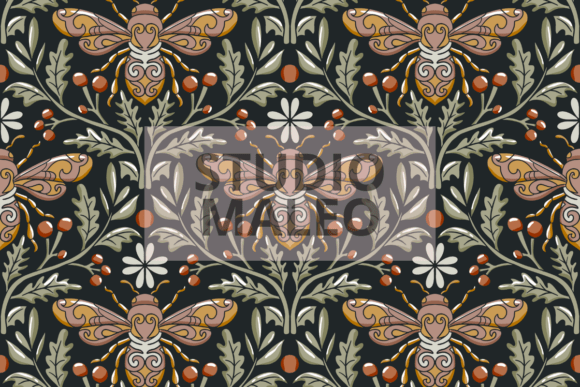
There is a specific kind of magic that happens when you blend the organic chaos of nature with the structured elegance of the late 19th century. An Art Nouveau Bee Moth Seamless Pattern captures exactly this sentiment, offering a visual language that feels both timeless and urgently contemporary. At its core, this design style marries the intricate, flowing lines characteristic of the Art Nouveau movement with the delicate symbolism of pollinators like bees and moths. When you introduce vintage botanical leaves, berries, and symmetrical floral elements into the mix, you aren't just looking at a picture; you are looking at a narrative about growth, cycles, and the quiet beauty of the natural world.
The appeal of such a pattern lies in its versatility. It isn't confined to a museum wall or a history book. Today, designers, homeowners, and creatives are finding endless ways to weave these motifs into their daily lives. The specific combination of earthy sage green and terracotta tones adds a layer of warmth and grounding that makes the design feel inviting rather than distant. These colors speak to the current desire for spaces that feel lived-in, organic, and connected to the earth, moving away from the stark minimalism that dominated the previous decade.
Transforming Spaces with Cottagecore and Bohemian Aesthetics
For those deeply embedded in the cottagecore lifestyle, this pattern is nothing short of a holy grail. The aesthetic relies heavily on nostalgia, rural fantasy, and a romanticized view of simple living. Imagine a pair of curtains made from fabric featuring this seamless design. As the sunlight filters through, the silhouettes of the moths and the curling vines cast dancing shadows across a wooden floor. It instantly transforms a generic room into a storybook setting.
In the realm of bohemian decor, the flexibility of the bee and moth motif shines even brighter. Bohemian style thrives on layering textures and patterns without fear of clashing. A throw pillow adorned with symmetrical floral elements and buzzing bees can sit comfortably alongside macramé wall hangings and Persian rugs. The key here is the color palette. The sage green provides a neutral base that allows other vibrant colors in the room to pop, while the terracotta offers an accent that ties in with leather furniture, clay pots, or dried flower arrangements. It creates a cohesive look that feels curated rather than chaotic.
Consider the scenario of a home office or a reading nook. In these personal sanctuaries, the environment directly impacts creativity and relaxation. Applying this pattern as a feature wall or even as a large-scale tapestry can induce a sense of calm. The repetitive, seamless nature of the design is soothing to the eye, encouraging a meditative state that is perfect for deep work or unwinding with a good book. It serves as a subtle reminder of the natural world outside, which is particularly valuable for those living in urban environments where greenery might be scarce.
Digital Applications: From Dark Moody Wallpapers to Branding
While physical textiles are a natural fit, the digital application of an Art Nouveau Bee Moth Seamless Pattern is equally compelling. We spend a significant portion of our lives staring at screens, and the background we choose can subtly influence our mood. For individuals who prefer "dark mode" aesthetics or moody digital environments, a version of this pattern with deeper, shadowed tones works exceptionally well as a desktop or mobile wallpaper.
The contrast of pale moths against a dark sage or burnt orange background creates a sophisticated, mysterious vibe. It's an excellent choice for writers, developers, or artists who want their digital workspace to feel inspiring rather than sterile. Unlike generic abstract wallpapers, this design carries a sense of intentionality and artistic heritage. It suggests that the user values craftsmanship and history, even in their digital footprint.
Beyond personal use, small business owners and creatives are leveraging these motifs for branding. Imagine a local apiary, a botanical garden gift shop, or an indie perfume brand specializing in earthy scents. Using packaging paper or labels featuring vintage botanical leaves and berries establishes an immediate connection to nature and quality. It signals to the customer that the product is artisanal and thoughtfully produced. The Art Nouveau style, with its emphasis on hand-drawn qualities, aligns perfectly with brands that want to distance themselves from mass-produced, corporate imagery.
Navigating Color and Composition Choices
When selecting or customizing this type of pattern, the interplay between the earthy sage green and terracotta tones requires careful consideration. These colors are inherently harmonious because they are neighbors on the natural spectrum, but their ratio matters. A design dominated by sage green will feel cooler and more expansive, making it ideal for smaller rooms where you want to create an illusion of space. Conversely, a pattern where terracotta is the primary hue will feel warmer and more intimate, perfect for cozy corners or accent pieces.
The inclusion of symmetrical floral elements adds a layer of formality to the otherwise free-flowing lines of the bees and moths. This balance is crucial. Too much symmetry can feel rigid and old-fashioned, while too much asymmetry might feel messy. The best iterations of this pattern use symmetry to frame the organic elements, creating a sense of order within the wildness. When evaluating a pattern, look for how the eyes of the moths or the wings of the bees guide your gaze across the repeat. A successful seamless pattern should have no obvious start or end point, allowing the eye to wander endlessly.
Practical Considerations for Fabric and Print
If you are planning to bring this design into the physical world via fabric, there are practical hurdles to clear. The scale of the pattern is paramount. A large-scale print with oversized moths and broad leaves looks stunning on drapery or upholstery but can overwhelm a small item like a napkin or a child's dress. For smaller applications, ensure the pattern can be scaled down without losing the delicate details of the vintage botanical leaves and berries. Fine lines can sometimes blur during the printing process, especially on textured fabrics like linen or cotton canvas.
Furthermore, consider the end-use of the material. If the goal is to create durable furniture covers, the complexity of the Art Nouveau lines needs to be robust enough to withstand wear and tear without looking frayed. For decorative purposes like wall art or limited-edition prints, higher resolution and finer detail can be prioritized. It is also worth noting that the "vintage" look often implies a slightly distressed or muted finish. While this adds character, ensure that the fading effect is intentional and artistic, rather than looking like a low-quality print job.
The Emotional Resonance of Nature-Inspired Design
Ultimately, the power of a Stunning Art Nouveau Bee and Moth seamless pattern goes beyond its aesthetic utility. It taps into a collective longing for connection with the natural world. In an era of rapid technological change and urbanization, surrounding ourselves with images of bees, moths, and blooming flora acts as a grounding mechanism. It reminds us of the seasons, the importance of pollinators, and the intricate web of life that sustains us.
Whether used to upholster a vintage armchair, design a wedding invitation suite, or set the tone for a digital portfolio, this pattern offers a bridge between the past and the present. It allows modern users to participate in a rich artistic tradition while addressing contemporary desires for comfort, sustainability, and beauty. By choosing designs that celebrate the earthy tones of sage and terracotta, we invite a sense of stability and warmth into our environments. It is a small but significant way to curate a life that feels more intentional, more beautiful, and deeply connected to the rhythms of nature.