Embracing the Whimsical Coastal Pattern in Modern Design
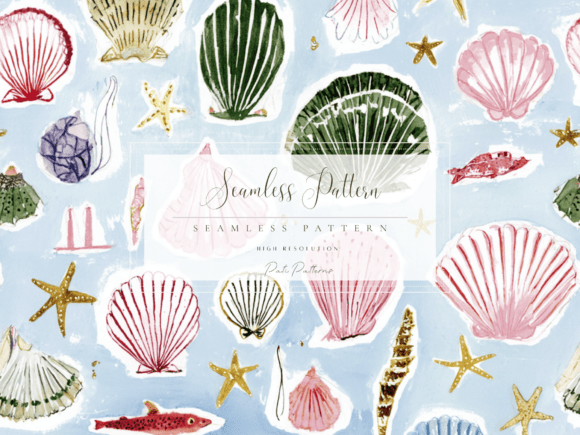
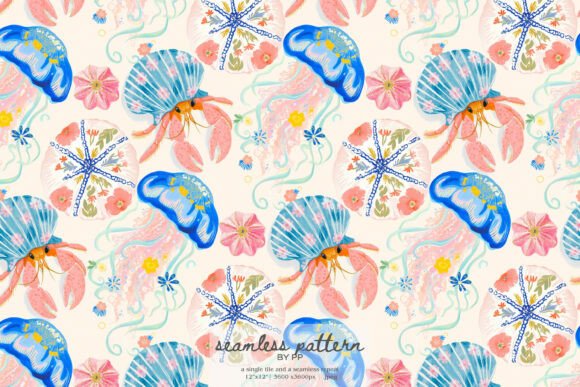
The allure of the ocean has long captivated designers, artists, and homeowners alike. In recent years, a specific aesthetic has risen to prominence, moving away from the traditional, often cliché nautical themes of anchors and striped sails. Instead, there is a growing preference for something lighter, more imaginative, and deeply soothing: the Whimsical Coastal Pattern. This design approach captures the playful spirit of marine life without taking itself too seriously, offering a fresh perspective that resonates with contemporary tastes. At the heart of this trend is a charming motif featuring hermit crabs, seashells, and jellyfish rendered in a soft pastel ocean palette. It is not merely a decorative choice; it represents a shift toward environments that prioritize calm, creativity, and a connection to nature.
Understanding why this specific style has gained traction requires looking at broader cultural and design shifts. As modern life becomes increasingly digital and fast-paced, there is a counter-movement seeking tactile comfort and visual serenity. People are curating spaces that feel like sanctuaries. The whimsical coastal pattern fits this need perfectly. Its seamless design allows for endless repetition across various surfaces, creating an immersive experience that feels both expansive and intimate. Whether applied to nursery decor, beach house styling, fabric, wallpaper, or stationery, this playful marine print brings a sense of lightness that heavy, dark, or overly structured patterns cannot achieve.
The Evolution of Marine Aesthetics in Interior Design
Historically, coastal design was often synonymous with a rigid color scheme of navy blue, crisp white, and bold red. While classic, this look could sometimes feel sterile or overly themed. The evolution toward the Whimsical Coastal Pattern marks a departure from strict adherence to tradition. Today's consumers, particularly adults aged 20 to 50 who are shaping home decor trends, prefer nuance. They seek designs that tell a story rather than simply declaring a location. The inclusion of creatures like hermit crabs and jellyfish adds a narrative element—a glimpse into the hidden, magical world beneath the waves.
This shift also aligns with the rise of "biophilic design," a concept that seeks to connect building occupants more closely to nature. However, unlike the use of raw wood or living plants, this pattern offers a stylized interpretation of nature. The soft pastel tones mimic the way sunlight filters through shallow water, creating an atmosphere that is inherently relaxing. For business owners and entrepreneurs designing retail spaces, cafes, or co-working areas, adopting this aesthetic can signal a brand identity that is approachable, creative, and mindful. It suggests a business that values well-being and artistic expression.
Furthermore, the versatility of this pattern allows it to transcend seasonal limitations. While often associated with summer, the gentle hues and timeless subject matter make it suitable for year-round use. In a nursery, the soft colors promote sleep and tranquility for infants, while the recognizable shapes provide gentle visual stimulation for toddlers. In a professional setting, such as a creative agency or a boutique hotel, the pattern serves as a conversation starter and a backdrop that inspires out-of-the-box thinking.
Practical Applications for Creators and Professionals
For freelancers, graphic designers, and product developers, the utility of a high-quality seamless pattern cannot be overstated. The technical specifications of a design asset often determine its viability for professional use. A true Whimsical Coastal Pattern intended for commercial application must meet rigorous standards. Consider a scenario where a designer is creating a line of children's clothing or a collection of wedding invitations with a beach theme. They require a file that tiles perfectly without visible seams, ensuring the final product looks polished and intentional.
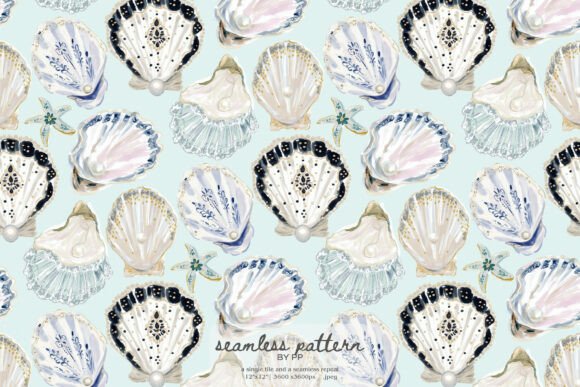
The ideal asset for these projects typically comes in multiple formats to maximize flexibility. For instance, receiving two versions of the pattern—one single tile and one seamlessly repeated version combining four tiles—provides immediate utility. Both sized at 12" x 12" with a resolution of 3600x3600 pixels at 300 DPI ensures that the image remains crisp whether it is printed on a small greeting card or a large roll of wallpaper. The JPEG format, while lacking a transparent background, offers universal compatibility and small file sizes relative to their quality, making them easy to share and integrate into various workflows.
It is important to note the distinction between screen display and print readiness. Many free resources found online are low-resolution, suitable only for web thumbnails. When a professional undertakes a project involving fabric printing or large-format wall coverings, the 300 DPI standard is non-negotiable. Anything less risks pixelation, which can undermine the perceived value of the final product. By utilizing high-fidelity assets, creators demonstrate a commitment to quality that clients and customers can instantly recognize.
Adapting to Changing Consumer Preferences
The market for digital design assets is competitive, and user expectations are higher than ever. Consumers are becoming more discerning about the origins and quality of the visuals they purchase or download. There is a noticeable trend toward supporting independent artists who offer unique, hand-drawn styles over generic, computer-generated graphics. The charm of a pattern featuring hand-illustrated hermit crabs and seashells lies in its imperfections and organic flow. These details convey authenticity, a quality that is increasingly prized in a world saturated with AI-generated content.
Moreover, the application of such patterns extends beyond physical goods. In the digital realm, bloggers and content creators use these textures to enhance their websites, social media graphics, and email newsletters. A subtle background featuring a whimsical coastal theme can soften the look of a website, making it more inviting for readers. For educators creating materials for remote learning or classroom decorations, these prints add a layer of engagement that plain text or stark images lack. They transform ordinary documents into visually appealing resources that capture attention.
Businesses in the hospitality sector are also leveraging this trend. Beach houses and vacation rentals, in particular, benefit from decor that reinforces the location's identity without feeling kitschy. A bathroom tiled with a seamless jellyfish pattern or a bedroom featuring wallpaper with drifting seashells creates an immersive guest experience. It elevates the property from a simple place to stay to a destination with a distinct character. This attention to detail often translates into better reviews and higher occupancy rates, proving that aesthetic choices have tangible economic impacts.
Technical Considerations and Best Practices
When integrating a Whimsical Coastal Pattern into a project, understanding the technical constraints is crucial for success. As noted, many high-quality patterns come as JPEGs without transparent backgrounds. While PNGs with transparency offer layering capabilities, JPEGs are often preferred for full-coverage backgrounds where opacity is desired. Designers should plan their layouts accordingly, using the solid background to their advantage by treating it as the base color of their design.
Scaling is another critical factor. Because the pattern is seamless, it can be tiled infinitely. However, the size of the individual motifs (the crabs, shells, and jellyfish) relative to the output medium matters. For a large wallpaper installation, the 12" x 12" tile might need to be repeated many times. It is essential to preview the pattern at 100% scale before committing to a large print run to ensure the elements do not appear too small or lost in the repetition. Conversely, for stationery items like notebooks or planners, the density of the pattern provides a rich texture that feels premium to the touch.
Color management is also vital, especially when working with soft pastels. Screens often display colors differently than printers. The delicate blues, pinks, and lavenders of a pastel ocean design can shift if not properly calibrated. Professionals should always request a proof or test print when possible. Additionally, understanding the lighting conditions of the final environment helps in selecting the right variation of the pattern. A room with abundant natural light will enhance the translucency implied by the jellyfish motifs, while a dimmer space might require a pattern with slightly higher contrast to maintain visibility.
Future Outlook for Coastal Design Trends
Looking ahead, the demand for whimsical and nature-inspired designs shows no sign of waning. As environmental awareness grows, so does the desire to bring elements of the natural world into our daily lives. The Whimsical Coastal Pattern is well-positioned to remain relevant because it balances aesthetic appeal with emotional resonance. It is not just about how a room looks; it is about how it feels. The playful nature of the design invites curiosity and joy, emotions that are universally sought after.
We may see this trend evolve to include even more diverse marine life or interactive elements in digital applications. Augmented reality could eventually allow users to point their devices at a wall covered in this pattern and see the jellyfish animate or the crabs scuttle across the surface. Until then, the static beauty of high-resolution, seamlessly tiled designs remains a cornerstone of interior and graphic design. For creators and businesses, staying attuned to these nuances ensures that their work remains fresh, engaging, and aligned with the desires of a modern audience.
In conclusion, the integration of a Whimsical Coastal Pattern into your projects offers a blend of artistic charm and practical utility. From the technical precision of 300 DPI files to the emotional impact of soft pastel hues, every element serves a purpose. Whether you are decorating a nursery, launching a new product line, or simply refreshing your workspace, this style provides a versatile foundation. By embracing the playful yet sophisticated nature of hermit crabs, seashells, and jellyfish, you tap into a design language that speaks to the current moment while promising enduring appeal.