Bringing the Ocean Home: A Deep Dive into Coastal Seafood Patterns and Nautical Design
The allure of the ocean has captivated human imagination for centuries, influencing everything from literature and mythology to interior design and fashion. In recent years, a specific aesthetic has surged in popularity within the world of surface pattern design: the coastal seafood pattern. This style is more than just a collection of clip art; it is a sophisticated blend of marine biology, botanical illustration, and artistic flair that brings the serene yet vibrant energy of the sea into our daily lives. Whether you are a professional designer, a DIY enthusiast, or simply someone who loves the beach, understanding the nuances of this ocean botanical wallpaper aesthetic can open up a world of creative possibilities.
Defining the Aesthetic: Where Marine Life Meets Botanical Art
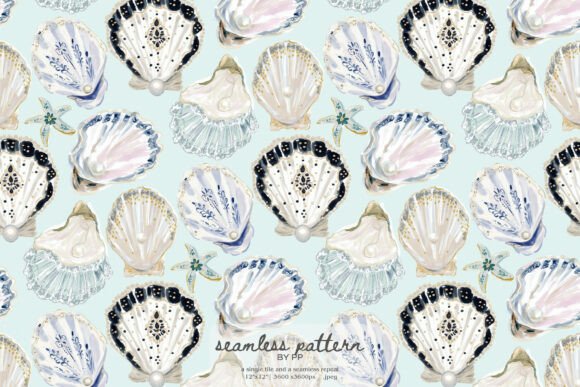
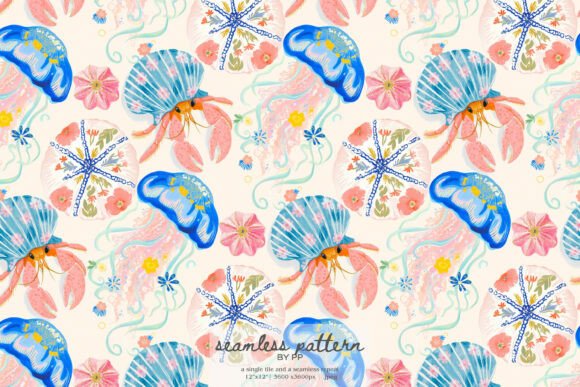
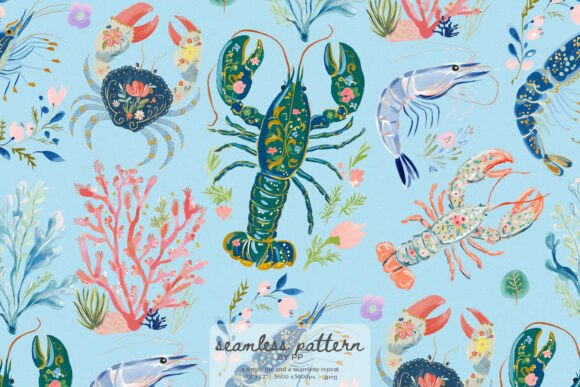
At its core, a coastal seafood pattern featuring illustrated lobster, crab, and shrimp prints is a celebration of marine biodiversity. However, what sets high-quality designs apart is the integration of an ocean botanical sensibility. Unlike cartoonish or overly simplified graphics, this approach treats sea creatures with the same reverence and detail traditionally reserved for garden flowers or forest flora.
In these designs, a lobster is not merely a red crustacean; it is a study in texture, with attention paid to the segmentation of its tail and the complexity of its claws. Shrimp are depicted with delicate translucency, and crabs are rendered with precise anatomical accuracy. When blended with seaweed, kelp, coral, and sea grasses, the result is a nautical sea life seamless design that feels organic and alive. This fusion creates an artistic beach pattern style that bridges the gap between scientific illustration and decorative art, making it suitable for both educational contexts and stylish home decor.
The Significance of Seamless Design in Modern Applications
One of the most critical aspects of utilizing these patterns professionally is understanding the concept of a "seamless" design. For the uninitiated, a seamless pattern is an image that can be tiled repeatedly without any visible breaks or edges. When you place one tile next to another, the elements flow naturally across the boundary, creating the illusion of an infinite expanse.
This technical feature is vital for practical relevance in various industries:
- Fabric and Textiles: Whether printing on cotton for summer dresses or heavy canvas for upholstery, the pattern must repeat flawlessly to avoid awkward cuts in the imagery.
- Wallpaper and Murals: Large-scale applications require high-resolution files to ensure clarity when stretched over entire walls.
- Packaging: From boutique seafood restaurant takeout boxes to luxury soap wrappers, consistent patterning elevates brand perception.
- Coastal Decor Projects: Items like throw pillows, table runners, and shower curtains rely on seamless repeats to maintain visual harmony.
When designers seek out a high-quality seamless jpeg for professional use, they are looking for reliability. A file that is sized at 12" x 12" with a resolution of 3600x3600 pixels at 300 DPI (dots per inch) ensures that the print quality remains crisp, regardless of the scale. The 300 DPI standard is the industry benchmark for professional printing, guaranteeing that the fine details of the crab's shell or the fronds of the seaweed do not appear pixelated or blurry.
Understanding File Formats and Deliverables
For those new to digital design assets, the specifications of a pattern file can sometimes be confusing. It is essential to clarify what you are receiving to maximize the utility of your purchase. Typically, a professional package includes two distinct versions of the pattern to offer maximum flexibility:
- The Single Tile: This is the fundamental building block of the pattern, usually a 12" x 12" square. It contains the complete arrangement of lobsters, shrimp, and botanical elements exactly once. Designers use this version when they need to manipulate individual elements, change colors, or integrate the motif into a larger, custom composition.
- The Repeated Version: This file shows the single tile repeated multiple times (often a 2x2 grid, resulting in four tiles combined). This preview allows users to visualize how the pattern looks when tiled and ensures that the seams are invisible before committing to a large print run.
It is also important to note the background specifications. In many high-end pattern collections, the files are provided as JPEGs without a transparent background. While PNG files with transparency are common in web design, JPEGs are often preferred for print workflows due to their universal compatibility with printing software and their ability to handle complex color gradients efficiently. If a pattern features a white or off-white background intended to mimic paper or canvas, a non-transparent JPEG is the standard delivery method. Users should be aware that if they need to isolate the sea creatures from the background, they may need to use photo editing software to remove the base color, though many designs are intended to be used with their background intact to preserve the "wallpaper" feel.
Integrating Coastal Patterns into Daily Life and Business
The application of these designs extends far beyond simple decoration; they play a role in branding, mood setting, and even education. In the realm of business, particularly for establishments located near the water or those wishing to evoke a sense of relaxation, these patterns are powerful tools. Imagine a seaside café using packaging adorned with a marine life details print. It instantly communicates freshness, locality, and a connection to nature before the customer even opens the box.
In education, such illustrations serve as engaging visual aids. Teachers can use high-resolution prints of local sea life to spark interest in marine biology among students. The artistic rendering makes the subject matter approachable, while the accuracy of the details ensures that learning objectives are met. This dual purpose highlights the versatility of the coastal seafood pattern—it is as much a teaching tool as it is a design element.
Furthermore, in the context of modern interior design, there is a growing trend toward "biophilic design," which seeks to connect occupants more closely to nature. An ocean botanical wallpaper aesthetic fits perfectly into this philosophy. By bringing elements of the underwater world into living rooms, bathrooms, or offices, designers can create spaces that reduce stress and promote tranquility. The rhythmic repetition of the seamless pattern mimics the rolling waves, providing a subconscious soothing effect.
Common Misunderstandings and Best Practices
Despite their popularity, there are a few common assumptions about using digital patterns that warrant clarification. First, many beginners assume that a "seamless" file will automatically look perfect on any surface without adjustment. In reality, the scale of the repeat matters. A pattern that looks balanced on a small gift box might appear too crowded or too sparse on a large wall mural. Professionals always test the scale of the 12" x 12" tile against their specific project dimensions.
Secondly, there is often confusion regarding color profiles. Screens display colors in RGB (Red, Green, Blue), while printers use CMYK (Cyan, Magenta, Yellow, Key/Black). A vibrant blue on your monitor might print slightly differently on fabric. High-quality files provided at 300 DPI help mitigate this, but understanding that slight variations occur is part of the professional process.
Finally, the lack of a transparent background in JPEG files is sometimes mistaken for a limitation. However, for many applications like wallpaper or fabric printing, a solid background is actually preferable. It ensures full coverage of the material and prevents the underlying surface color from altering the intended look of the design.
Conclusion: The Endless Wave of Creativity
The coastal seafood pattern represents a harmonious intersection of art, nature, and technology. By combining illustrated lobsters, crabs, and shrimp with an ocean botanical aesthetic, these designs offer a unique way to capture the spirit of the sea. Whether utilized for high-end fashion, cozy home decor, or impactful branding, the value of a well-crafted, high-resolution seamless design cannot be overstated.
As we continue to seek connections with the natural world in our increasingly digital lives, these patterns serve as a reminder of the beauty that lies beneath the waves. They invite us to slow down, appreciate the intricate details of marine life, and bring a piece of the coast into our everyday environments. With the right files—such as the versatile 12" x 12" tiles at 300 DPI—the possibilities for creativity are as vast as the ocean itself.