Unlocking Creativity with Imaginary Seamless Digital Paper
Imagine having a stack of paper that never runs out, never tears, and instantly adapts to any project you can dream up. That is essentially the magic behind Imaginary Seamless Digital Paper. It isn't just a file on your hard drive; it is a versatile tool that bridges the gap between digital convenience and tactile creativity. Whether you are a seasoned graphic designer, a hobbyist scrapbooker, or a small business owner looking to elevate your brand packaging, these high-resolution assets offer a foundation for endless possibilities.
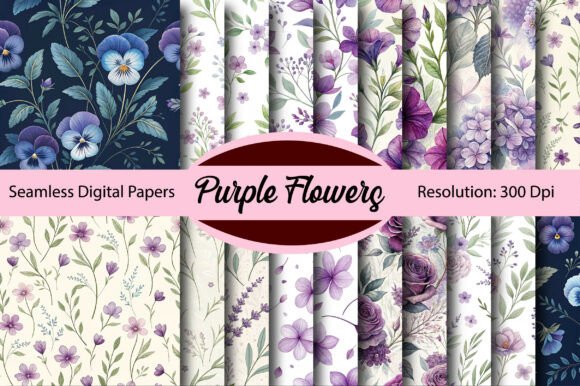
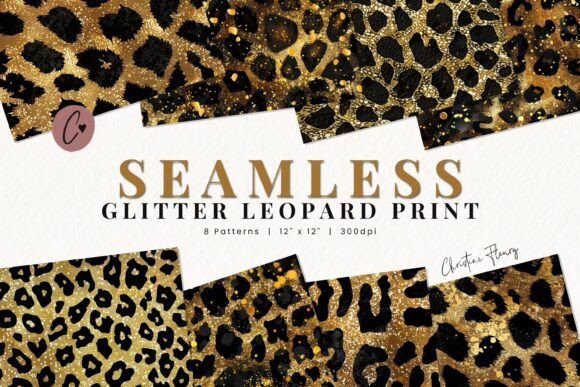
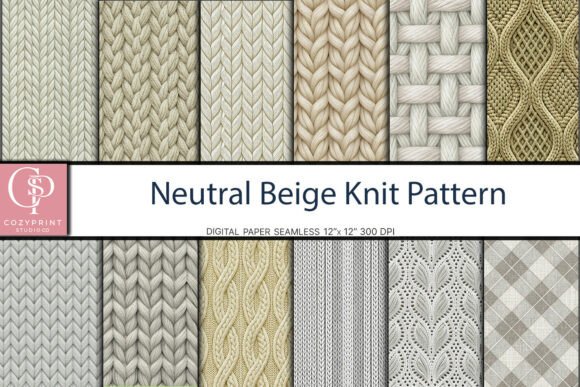
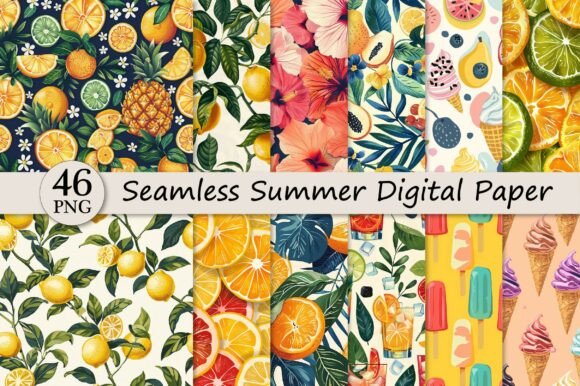
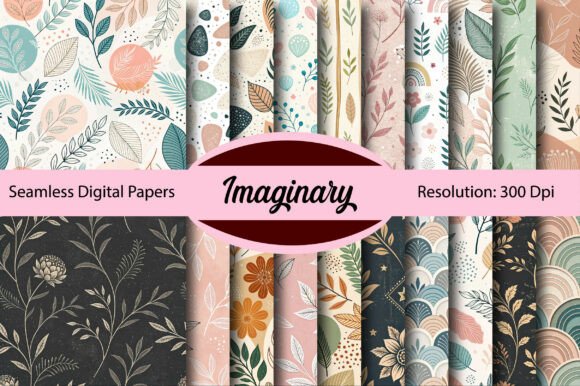
At its core, this type of digital resource refers to high-quality, tileable image files—typically in JPEG format at a robust 300 DPI—that repeat infinitely without visible seams. The "imaginary" aspect speaks to the boundless nature of the patterns themselves. They aren't limited by physical sheet sizes or printing constraints until you decide to apply them. This flexibility makes them indispensable for anyone looking to create professional-grade visuals without the hassle of manually aligning patterns or worrying about pixelation.
Transforming Everyday Projects with High-Resolution Backgrounds
The most immediate impact of using seamless digital papers is seen in how they transform mundane projects into polished creations. Consider the world of digital scrapbooking. In the past, creating a layout required physically cutting, gluing, and hoping your photos aligned well with your background choices. Today, dragging and dropping a seamless pattern into your canvas allows for instant experimentation. Because these files are resolution-rich (300 DPI), they hold up beautifully when printed, meaning your digital memories can transition to physical albums without losing clarity.
Beyond memory keeping, these backgrounds are a lifesaver for content creators and bloggers. A website or blog needs a visual identity that doesn't distract from the content but enhances it. A subtle, repeating texture from a seamless pack can provide just enough depth to make a white page feel warm and inviting. Unlike standard stock photos that might look repetitive if used too often, seamless patterns can cover large areas of a website header or footer seamlessly, ensuring a consistent look across different screen sizes.
Practical Applications Across Industries
The utility of these digital papers extends far beyond personal hobbies. Small businesses, in particular, find immense value in them for packaging and branding. Imagine running a handmade soap company or a boutique bakery. Custom printing large rolls of branded wrapping paper can be prohibitively expensive for startups. However, purchasing a license for a unique seamless pattern allows you to print your own packaging materials in-house or through a local print shop at a fraction of the cost. You can create custom gift boxes, tissue paper, or even shopping bag liners that feel exclusive and high-end.
In the fashion industry, the potential is equally exciting. Before committing to fabricating yards of textile, designers use seamless digital papers to visualize how a pattern will look on a garment. By applying these JPEG textures to 3D mockups or flat sketches, designers can iterate on colors and scales rapidly. This "digital sampling" saves time and reduces waste, allowing for more creative risk-taking. If a floral motif looks too busy at a small scale, it can be adjusted digitally before a single thread is woven.
Event planners and party coordinators also rely heavily on these resources. Creating a cohesive theme for a wedding, birthday, or corporate event often requires matching elements across invitations, table runners, cupcake wrappers, and photo backdrops. Using a single seamless pattern as the anchor ensures that every piece of the event feels connected. You can easily scale the pattern up for a massive wall backdrop or down for delicate favor tags, maintaining perfect consistency throughout the venue.
Navigating the Technical Details: What to Look For
While the creative applications are vast, getting the best results requires paying attention to a few technical considerations. The mention of 300 DPI (dots per inch) in product descriptions is not just jargon; it is a critical factor for print quality. If you intend to print your designs, anything less than 300 DPI may result in blurry or pixelated images, especially on larger formats like posters or fabric. For web-only use, 72 DPI is often sufficient, but starting with a high-resolution source gives you the flexibility to pivot to print later without needing to repurchase assets.
Another key feature to understand is the concept of "seamless" versus "transparent." Most seamless digital papers come in JPEG format, which means they have a solid background. This is perfect for full-coverage applications like wallpapers or printed paper. However, if you are layering elements in a complex composition, you might need to use blending modes in your editing software to integrate the pattern naturally. Some advanced packs offer transparent PNG versions, but the standard JPEG is usually preferred for its compatibility and smaller file size when dealing with complex, colorful repeats.
It is also worth noting the difference between "tileable" and truly "seamless." A good seamless pattern should repeat horizontally and vertically without any visible lines where the edges meet. When testing a new download, it is always a wise move to tile the image four or five times in your design software to check for any glitches. High-quality imaginary seamless digital paper will disappear into the background, creating an illusion of an infinite surface.
Empowering Different Types of Creators
The beauty of these resources lies in their accessibility. You do not need to be a professional illustrator to benefit from them. For the DIY enthusiast, these papers are the secret ingredient that makes homemade greeting cards look store-bought. A simple fold of cardstock paired with a printed geometric or floral seamless pattern can result in a stunning handmade gift.
For educators and teachers, these backgrounds are invaluable for creating engaging classroom materials. Worksheets, bulletin board borders, and presentation slides become more visually stimulating when backed by fun, thematic patterns. A math worksheet with a subtle grid or science-themed background can make learning feel less sterile and more inviting for students.
Even developers and UI designers find uses for these assets. While flat design has been trendy, there is a growing movement towards adding texture and depth to user interfaces to make them feel more organic. A subtle paper texture can soften the harshness of a digital screen, making an app or software interface feel more approachable and human.
Making the Right Choice for Your Workflow
When selecting digital papers, think about the end goal of your project. Are you designing for a screen or for print? If for print, verify the dimensions of the original file. A small seamless tile might work for a business card, but if you need to cover a large banner, ensure the resolution is high enough to scale up without degradation. Also, consider the color profile. Files intended for professional printing should ideally be in CMYK, though many digital downloads come in RGB. Converting these yourself or checking with your printer can prevent color shifts where vibrant blues turn muddy.
Licensing is another practical consideration. Most creators sell these packs for personal and commercial use, but it is always prudent to read the specific terms. Some licenses may restrict the number of physical items you can sell using the pattern, while others offer unlimited commercial rights. Understanding these boundaries protects your business and respects the artist's work.
Ultimately, incorporating Imaginary Seamless Digital Paper into your workflow is about efficiency and inspiration. It removes the barrier of starting from a blank canvas. Instead of spending hours drawing a background, you can start with a professional base and focus your energy on the unique elements that make your project special. Whether you are crafting a wedding invitation suite, designing a new line of apparel, or simply sprucing up your desktop wallpaper, these digital tools provide the texture and depth needed to bring your vision to life. They are the unsung heroes of modern design, working quietly in the background to make everything look a little bit better.